Vision & eye health
5 eye-opening insights in ophthalmology everyone should know
Published 6 August 2025
1. Your eyes reveal more than you think
Ophthalmologists can detect signs of systemic diseases, like diabetes, high blood pressure, thyroid disease or even some neurological disorders, just by looking at your eyes. Eyes are the only place where doctors can see blood vessels and nerves directly, without surgery, without expensive imaging.
An eye exam is not just “for your vision”; it’s a window into your overall health. A routine eye check-up may spot early warning signs of conditions you didn’t even know were developing.
2. Myopia is rising, and it’s not just genetic
By 2050, over half of the world’s population may be nearsighted. Genetics play a role, but lifestyle (like lack of outdoor time and near work) is a major driver.
Prevention insight: encourage children to spend time outside (at least 2 hours/day) and limit continuous close-up work (e.g., screens). Early intervention matters.
3. Serious eye diseases often start with no symptoms
Glaucoma (“the silent thief of sight”) damages the optic nerve and causes blind spots without you noticing. In an early stage, the brain fills in the blind spots caused by the areas affected, so small blind spots or missing areas in your vision often go unnoticed.
Macular degeneration and diabetic retinopathy may progress silently for years. By the time vision is affected, the damage is often irreversible. Regular check-ups can catch it early. Use a simple Amsler test from time to time.
4. The lens and retina age faster than you think
Until we reach the age of 40, we have the luxury of a perfect automatic focusing system. From then on, our eye lens loses elasticity (hello, reading glasses), making it increasingly difficult to focus on close objects. Fortunately, this can be remedied with simple glasses, but it is still better to see an ophthalmologist at that point, because the risk of other eye problems (glaucoma, cataracts, macular degeneration) rises significantly from that age onwards.
That’s why there are age-related screening recommendations, even if you feel fine.
5. Children may have “hidden” eye problems
Lazy eye (amblyopia) or strabismus (crossed eyes) can go unnoticed, because kids rarely complain. With the right equipment, screening can start as early as 1 year of age. If detected at an early age, vision can often be fully restored; after the age of 6, it’s usually too late. A childhood eye exam can make a lifelong difference.
Conclusion
Your eyes are not just a lens to the world; they’re a mirror of your internal health. Regular eye care and lifestyle adjustments can dramatically influence long-term vision and wellbeing.
This is educational content, not medical advice
This article explains eye health in general terms. It does not diagnose, treat or replace medical care. For any change in vision or eye discomfort, consult an ophthalmologist or your healthcare provider.
About the author
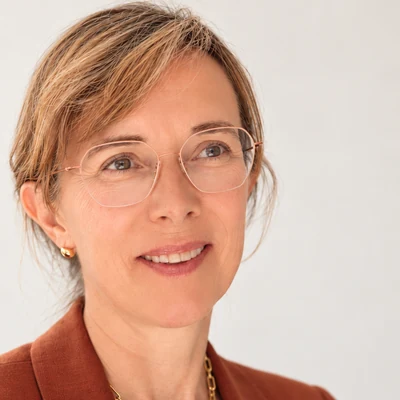
Dr. Caroline De Graeve, MD
Human Recipe is a science-driven medical education platform that combines medical expertise with future-focused tools, helping people turn clinical insights into sustainable daily habits for a longer, healthier life.
Dr. Caroline De Graeve, MD, is a physician and founder of Human Recipe. She trained in medicine and nutrition science (Stanford University’s Nutrition Science program). Her work focuses on translating evidence-based lifestyle medicine into clear, practical guidance for women in midlife and beyond.
About the author →