Movement & muscle
Why muscle is your health insurance
Published 16 October 2025
Muscle is more than strength. It is more than aesthetics. It is your health insurance policy, one you build with every squat, push, lift, and stretch. And unlike premiums you pay to a provider, this one pays you back: in energy, resilience, metabolic health, and independence as you age.
For too long, muscle has been framed as the domain of athletes and bodybuilders. But recent science makes it unequivocally clear: muscle is foundational to whole-body health. And for women entering their 40s, 50s, and 60s, it is one of the smartest investments you can make in your future well-being.
Your metabolism depends on muscle
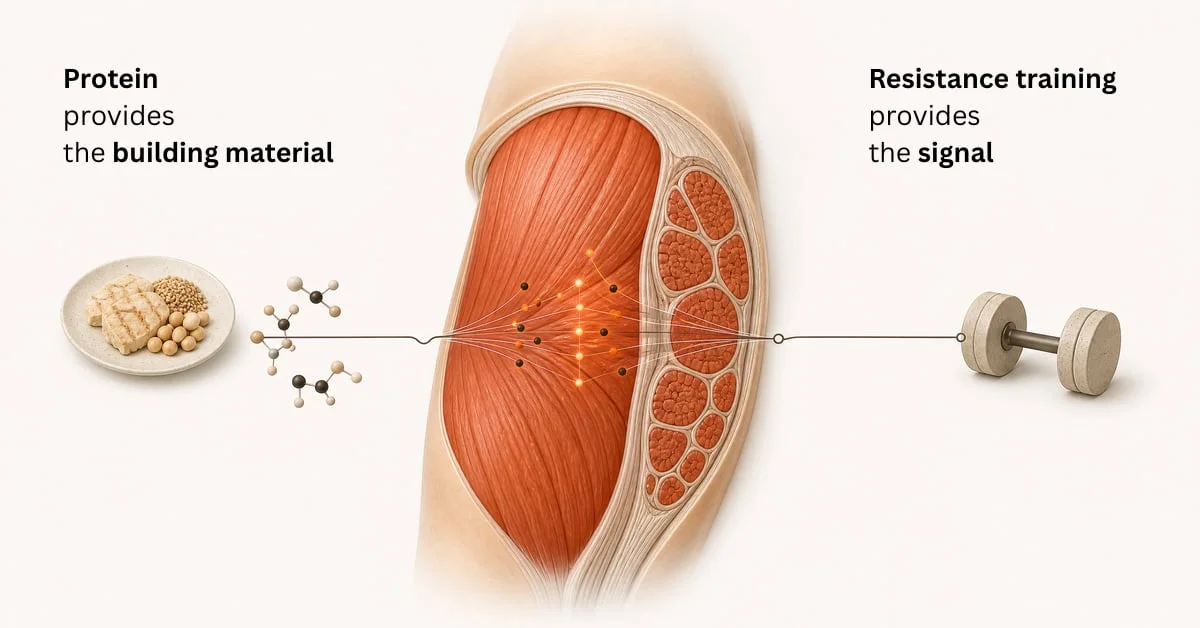
Muscle is among the most metabolically active tissues and the main site of glucose disposal. That means it burns calories, even at rest. More importantly, it plays a pivotal role in regulating blood sugar and insulin sensitivity, because skeletal muscle is the primary site for glucose uptake, guided by insulin.
In short: more high-quality muscle mass equals better blood sugar control, lower risk of type 2 diabetes, and a steadier metabolism overall. And this is not abstract theory. Meta-analyses confirm that resistance exercise, especially when combined with adequate protein, can significantly improve muscle quality, walking speed, and glucose handling, particularly in postmenopausal women.
Muscle loss is ageing in disguise
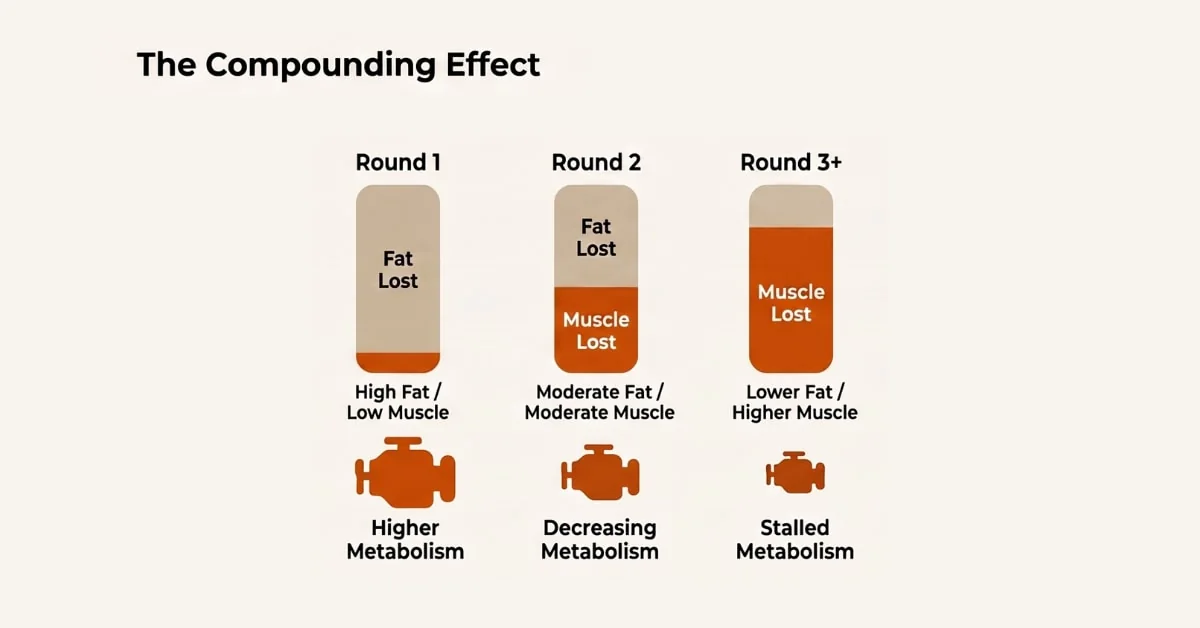
Starting around age 35, we naturally lose muscle mass, a process known as sarcopenia. By the time many women hit their 60s, this silent shift can become a functional crisis: slower walking, difficulty standing up, higher fall risk.
But here is the hopeful truth: muscle loss is not inevitable. Targeted resistance training, just twice a week, can slow, stop, or even reverse sarcopenia. And the benefits do not stop at strength. Muscle also supports bone density, protects joints, and improves balance, three crucial factors in fall prevention and staying mobile. Muscle is not just about power. It is about protection.
Yes, muscle also boosts your mood and brain
Muscle talks to your brain. Literally. Through molecules called myokines, contracting muscle fibers send signals that influence inflammation, energy levels, even emotional regulation. Studies increasingly link strength training with reduced risk of depression, better sleep, and sharper cognition. It is not just feel-good science. It is measurable, biological impact. For women balancing work, care responsibilities, and midlife transitions, this mental lift can be transformative.
Why women have even more to gain
Women, particularly postmenopausal women, face a unique muscle-health paradox. Due to lower baseline muscle mass and declining estrogen levels, women are more vulnerable to sarcopenia. But this also means the relative benefits of strength training are even greater.
Studies show that women respond especially well in terms of functional improvements, like walking speed and grip strength, even if the absolute muscle gain is modest. Translation? You do not need to bulk up to see powerful results. You just need to train consistently.
Five ways to build (and keep) muscle that works for you
1. Strength train twice per week. Focus on major muscle groups. Start with bodyweight exercises or resistance bands and progress gradually. It is not about lifting heavy. It is about lifting consistently. Round it out with balance work, gentle impact for bone, and pelvic-floor training.
2. Prioritise protein, especially around workouts. Aim for 20 to 30 grams of high-quality protein (eggs, Greek yogurt, legumes, or lean meat) within 30 to 60 minutes after training to support muscle repair.
3. Do not forget recovery. Sleep is when your muscles rebuild. Skimping on rest sabotages your efforts. Aim for 7 to 9 hours of quality sleep per night.
4. Walk, move, use your muscles daily. Formal workouts matter, but so does everyday movement. Take the stairs. Carry groceries. Garden. All of it counts.
5. Build habits, not heroics. The real magic is in momentum. Start small. Stay consistent. Use apps, calendars, or friends to keep yourself accountable.
The twist: muscle is a hormone factory
Here is a lesser-known fact: your muscles act like an endocrine organ. Every time you move them, they release signalling molecules (myokines) into your bloodstream. These molecules talk to your liver, fat tissue, heart, and yes, your brain. They help reduce inflammation, balance blood sugar, regulate fat metabolism, and may even influence ageing at the cellular level.
It is not just about what muscle does. It is about what it says. And it is saying: I have got your back.
The bottom line
Muscle is not optional. It is not a bonus. It is a biological asset that supports how you think, feel, move, and age. For women in midlife, building muscle is not about chasing youth. It is about claiming agency over your health.
So if it has been a while since you picked up a dumbbell or did a push-up: now is the perfect time to start. Your body does not need perfect. It just needs something, and it will thank you for every step, squat, and stretch.
This is educational content, not medical advice
This article explains physiology in general terms. It does not diagnose, treat or replace medical care. If you are new to exercise or have health conditions, consult a healthcare provider before starting a training programme.

About the author
Dr. Caroline De Graeve, MD
Human Recipe is a science-driven medical education platform that combines medical expertise with future-focused tools, helping people turn clinical insights into sustainable daily habits for a longer, healthier life.
Dr. Caroline De Graeve, MD, is a physician and founder of Human Recipe. She trained in medicine and nutrition science (Stanford University’s Nutrition Science program). Her work focuses on translating evidence-based lifestyle medicine into clear, practical guidance for women in midlife and beyond.
About the author →