Sleep & recovery
The 90-minute sleep window
Published 23 October 2025
We often think sleep begins when our head hits the pillow. In truth, your night starts long before that moment, and the 90 minutes before you close your eyes are when your body decides how easily rest will come. This evening window acts as a biological bridge between wake and rest, setting the tone for the depth and quality of your sleep. When you prepare your body and brain for the transition, you do not just fall asleep faster. You build the conditions for deeper, more restorative sleep.
Light: tell your brain it is night
Your eyes are not just cameras; they are part of your circadian clock. Exposure to bright, cool light, especially overhead LEDs and screens, keeps your brain in day mode, suppressing melatonin and delaying sleep onset. A 2022 international consensus published in PLOS Biology confirmed that dim, warm light in the 60 to 90 minutes before bed supports melatonin release and deep sleep physiology.
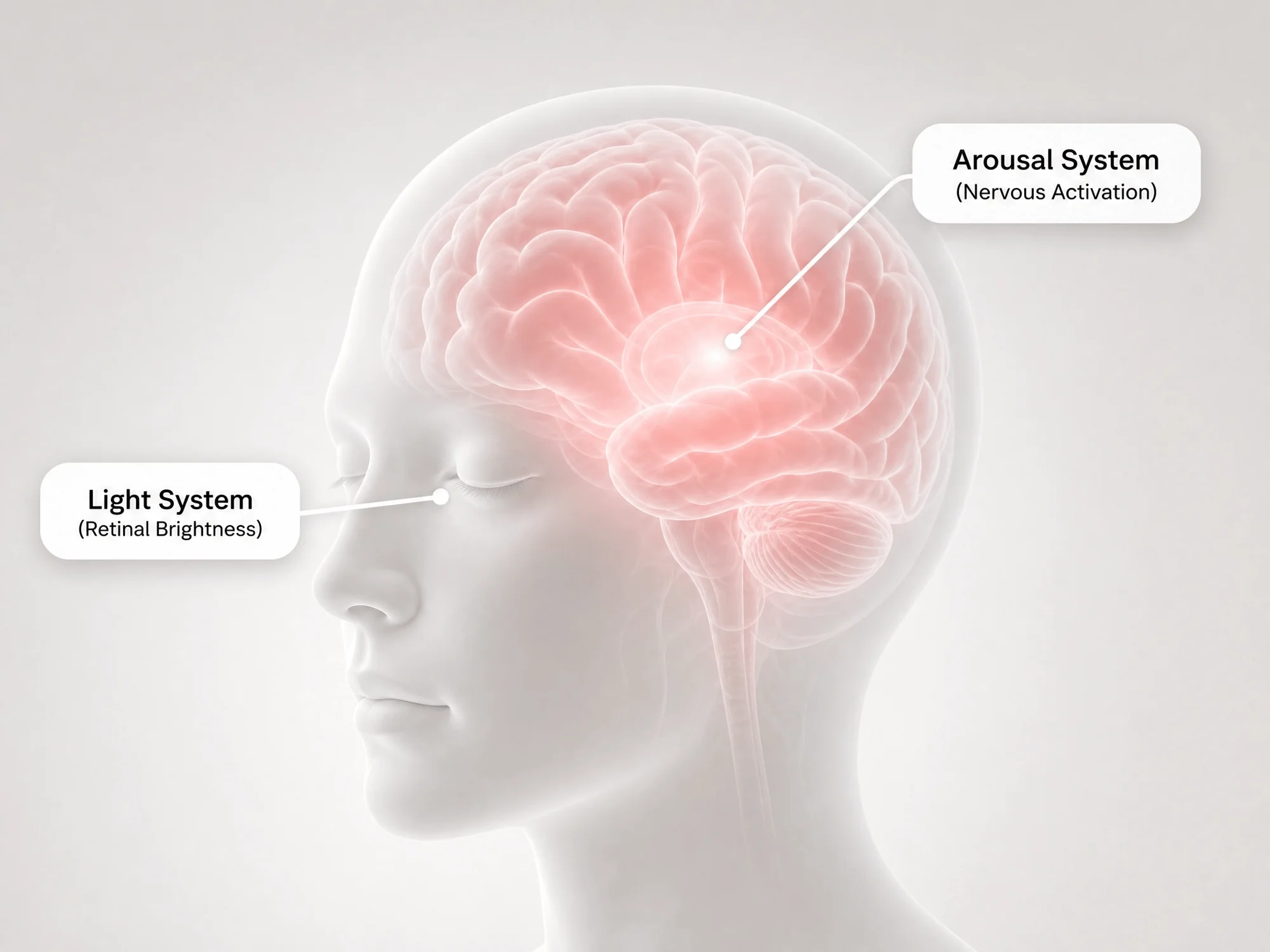
That means: turn off overheads, keep lamps low and warm, about the glow of a candle or sunset. Even your phone matters less for its blue light than for its brightness and stimulation. Dimming the display and ending non-essential scrolling in that final hour helps your brain quiet down.
Movement: light movement, lower the arousal
The evening is not the time for intensity. A 2024 randomised trial found that light movement, even a short walk or gentle stretch, helped participants fall asleep more easily and sleep longer, compared with sitting still all evening. Movement lowers stress hormones, eases muscular tension, and regulates body temperature: all signals that prepare the nervous system for rest. Ten minutes of slow stretching or relaxed walking can do more for your sleep than any supplement. The aim is not to work out, but to wind down.
Timing: quiet the gut, calm the mind
Chrono-nutrition research adds another layer: when you eat matters. Late, heavy dinners delay circadian rhythms and fragment sleep. Finishing your last meal two to three hours before bed supports both digestion and sleep continuity. The same timing principle applies to screens. Content and emotional arousal are as disruptive as light itself. News, emails, and late-night social feeds keep your brain wired. Replace them with calm input: reading, journaling, or conversation.
Together, these habits form a quiet choreography: dim, move, stop. They tell your body the day is ending and that it is safe to rest.
Why it works
By aligning light, movement, and timing, you reduce sympathetic drive, the body’s go mode, increase heart-rate variability, and strengthen melatonin signalling. The result is not just better rest, but better recovery. Deep sleep supports immune balance, glucose regulation, memory formation, and even cardiovascular resilience. The American Heart Association now lists sleep as a formal pillar of heart health. Your evening routine is preventive medicine.
The Human Recipe perspective
Sleep is a living system, not a quick fix. The goal is not perfection, but alignment: with your biology, your rhythms, and your environment. When you respect the 90-minute transition from wake to rest, you re-establish communication between body and brain, and remind your physiology what night means. Deep sleep loves consistency, and preparation is its language.
Key takeaway
Good sleep does not begin at bedtime; it is built throughout the day. Morning light, steady movement, mental rest and regular hours set your rhythm. But the last 90 minutes before bed decide how deeply you will rest. Dim the lights, slow the pace, and let your body do what it is designed to do.

About the author
Dr. Caroline De Graeve, MD
Human Recipe is a science-driven medical education platform that combines medical expertise with future-focused tools, helping people turn clinical insights into sustainable daily habits for a longer, healthier life.
Dr. Caroline De Graeve, MD, is a physician and founder of Human Recipe. She trained in medicine and nutrition science (Stanford University’s Nutrition Science program). Her work focuses on translating evidence-based lifestyle medicine into clear, practical guidance for women in midlife and beyond.
About the author →This is educational content, not medical advice
This article explains physiology in general terms. It does not diagnose, treat or replace medical care. For persistent sleep problems, consult a healthcare provider. Evidence classification follows The Filter framework: evidence quality, applicability to real life, and meaningfulness of the outcome.