Nutrition & metabolism
Not trendy, just essential: the case for fiber
Published 4 October 2025
We live in a world obsessed with protein grams and omega-3s. Yet quietly, fiber has been changing lives: reducing disease risk, nurturing gut health, and lengthening lifespans. It is not flashy. It is not trendy. But if you are looking for one powerful shift that works across systems and decades, fiber might just be the simplest, smartest place to start.
What exactly is fiber, and why does it matter?
Fiber is the part of plant foods your body cannot digest or absorb. It is not used for energy like carbs, fats, or protein. Instead, it moves through your digestive tract largely intact, and in doing so, it acts more like a conductor than a nutrient, orchestrating health benefits throughout your body.
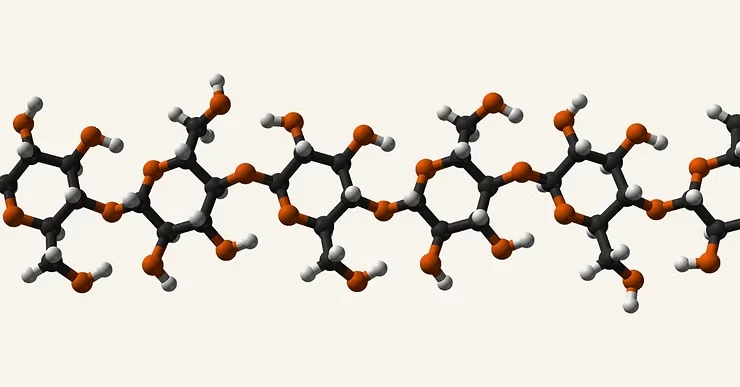
Chemically, fiber is made of long chains of sugars linked in a way your enzymes cannot break down. But your gut bacteria can. And that is where the magic begins.
Gut health starts here
Fiber is the main food for your gut microbiome, the billions of microbes living in your colon. When these bacteria ferment fiber, they produce short-chain fatty acids (like butyrate) that reduce inflammation, support your gut lining, and even impact your mood and brain function. A healthy gut is not just about digestion. It is central to immunity, hormone balance, and emotional resilience.
Better blood sugar and energy stability
Soluble fibers (found in oats, beans, apples) slow how fast sugar enters your bloodstream. That means fewer spikes, fewer crashes, and steadier energy. For women navigating hormonal transitions in midlife, this is a game-changer.
Protecting the heart
Decades of research show that high-fiber diets reduce LDL cholesterol and lower cardiovascular risk. A major Lancet meta-analysis found that eating at least 25 to 30 grams of fiber per day was linked to significantly lower risk of heart disease and early death.
Weight management without diet culture
Fiber adds bulk without calories. It increases satiety, helping you feel full and satisfied with less. Fiber-rich foods are a central pillar in sustainable weight management, not through restriction, but through natural appetite regulation.
Longevity and whole-system health
Fiber is not just about digestion. It is linked to reduced inflammation, improved insulin sensitivity, and lower all-cause mortality. Think of it as a quiet multitasker working behind the scenes for your long-term vitality.
So, where is the fiber?
The interesting thing is that fiber is usually found in foods that are not ultra-processed. If it is whole, plant-based, and less processed, it likely has fiber.
- Legumes: beans, lentils, chickpeas and more
- Whole grains: oats, brown rice, whole wheat bread
- Fruits: apples (especially with skin), pears, berries
- Vegetables: broccoli, carrots, leafy greens
- Nuts and seeds: almonds, chia, flaxseed
How much fiber do you really need?
Most people consume less than half the recommended amount: about 25 grams per day for women, and 30 to 35 grams for men. To get there, it does not take supplements. It takes swaps.
Simple fiber strategies
Upgrade your grains. Swap white bread and white rice for whole grain versions or ancient grains like quinoa and farro.
Snack smarter. Choose a handful of nuts or a piece of fruit over processed bars or crackers.
Add, do not subtract. Toss beans into soups and salads. Add chia to your yogurt. Stir lentils into pasta sauce.
Think texture. A whole apple (skin on) contains around 2.4 grams of fiber. Apple juice? Just 0.2 grams. The more a food is peeled, pureed, pressed, or filtered, the more fiber it loses. Whenever possible, choose foods in their whole, natural form. Your gut will thank you.
One insight that might surprise you
Fiber does not just feed you. It feeds your microbiome, which in turn feeds you. It is a beautiful feedback loop: the healthier your diet, the more robust your gut bacteria, and the more benefits they return to you in the form of reduced inflammation, better mood regulation, and improved metabolic health.
Final word
Fiber is not trendy. It will not appear in flashy supplement ads. But the science is crystal clear: it is one of the most powerful, evidence-backed ways to improve your health and add years to your life. Clarity beats hype, and fiber is a perfect example: simple, science-based, and profoundly effective.
This is educational content, not medical advice
This article explains physiology in general terms. It does not diagnose, treat or replace medical care. If you have a digestive condition, consult a healthcare provider before making significant dietary changes. Increase fiber gradually and drink enough water.

About the author
Dr. Caroline De Graeve, MD
Human Recipe is a science-driven medical education platform that combines medical expertise with future-focused tools, helping people turn clinical insights into sustainable daily habits for a longer, healthier life.
Dr. Caroline De Graeve, MD, is a physician and founder of Human Recipe. She trained in medicine and nutrition science (Stanford University’s Nutrition Science program). Her work focuses on translating evidence-based lifestyle medicine into clear, practical guidance for women in midlife and beyond.
About the author →