Nutrition & metabolism
The gut microbiome
Published 30 October 2025
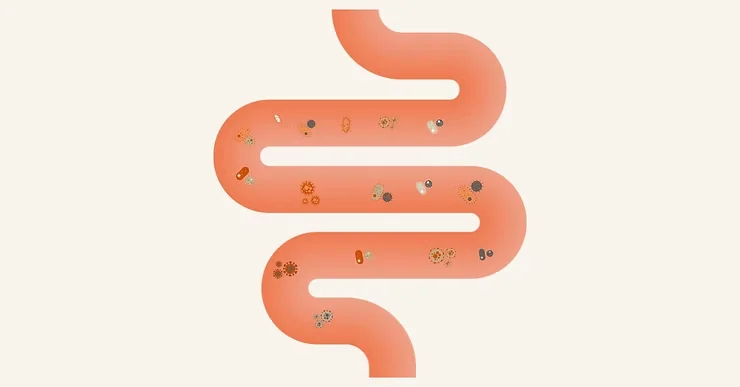
We often think of ourselves as individuals: one body, one mind. Yet inside us lives a teeming ecosystem, home to trillions of microscopic organisms that shape our digestion, immunity, and even our mood. This hidden world, your gut microbiome, is more than a digestive companion. It is an active, communicating organ, one that thrives on diversity, fiber, and the quiet alchemy of fermented foods.
What we mean when we say microbiome
The microbiome is not a list of bacteria living in your gut. It is the full ecosystem: the organisms and their genes, behaviors, and chemical signals. By contrast, microbiota refers to the organisms alone, the cast without the script or performance.
There is no single, universal healthy microbiome. Researchers now look for features rather than fixed species:
- Diversity: more species usually means more resilience
- Functionality: for example, the capacity to produce short-chain fatty acids
- Stability: the ability to bounce back after stressors like antibiotics
Different communities can produce similarly healthy outcomes when these features are strong.
Why it matters
This inner ecosystem supports your immune defenses, helps regulate blood sugar and weight, and communicates with your brain through the gut-brain axis. Emerging science links microbiome patterns with cardiovascular risk, frailty, and longevity. Most of these links are associative rather than proven cause-and-effect, so we steer by what consistently improves function: plant diversity, fiber, and sensible use of fermented foods. Guidance like this is designed for practical action, not perfection.
The microbes themselves: who lives inside you?
Beneath the umbrella of microbes, you will find several kingdoms at work. Bacteria are single-celled organisms without a nucleus that multiply fast; lactobacillus and bifidobacterium show up in fermented foods and the gut, and are key players in carbohydrate digestion and acid production. Yeasts are single-celled fungi with a nucleus; they live in sourdough, kefir, and kombucha, making alcohol and carbon dioxide and contributing aromas and fizz. Molds are multicellular fungi forming mycelial networks; koji for miso and soy sauce and surface-ripened cheeses rely on them to produce enzymes that unlock flavor and nutrients.
These groups collaborate and compete, shaping flavor in foods and function in you. Their fermentation roles and enzymatic skill sets are well described in fermentation chemistry, including glycolysis and lactic-acid pathways that lower pH and restrain spoilage organisms.
What actually helps
Fiber and plant diversity
Aim for a generous mix of plants across the week; higher variety feeds more microbial niches. Consistent fiber intake supports production of short-chain fatty acids, the molecules your colon cells love. The modern diet, sterile, processed, and low in natural fibers, starves our internal garden. Restoring this through whole plants and traditional preparations improves digestive comfort and nutrient uptake.
Fermented foods
Regularly adding live, traditionally fermented foods can increase microbial diversity and support immune modulation. Examples include yogurt, kefir, sauerkraut, kimchi, kombucha, and miso. Properly fermented vegetables are preserved without additives thanks to acidification: part chemistry, part craft.
Movement, sleep, and stress
Moderate aerobic activity, predictable sleep, and stress-recovery rituals all help maintain microbial stability.
Probiotics, prebiotics, postbiotics: sorting the terms
Probiotics are live microbes. There is strong clinical support for certain strains in antibiotic-associated diarrhea, lactose intolerance, and aspects of IBS, so choose products that list strains and CFU counts rather than generic blends.
Prebiotics are the nondigestible fibers (think onions, garlic, oats, legumes) that nourish beneficial gut microbes.
Postbiotics are inactivated microbes or their metabolites: an emerging, promising option for targeted effects.
Fermented foods: benefits and cautions
The upside: better microbial diversity, gentler digestion, improved nutrient bioavailability, and natural preservation without additives. Some fermented foods naturally contain higher levels of histamine, for instance long-fermented teas or certain types of kefir.
Safe home fermentation depends on a few simple principles:
- Use the correct salt ratio
- Keep ingredients fully submerged
- Maintain clean, well-rinsed equipment
Acidity is your main safeguard. As the pH drops, it creates an environment where beneficial microbes thrive and harmful ones cannot.
Your daily gut routine
Build a rhythm your microbes can rely on:
- Eat broadly from plants
- Aim for steady fiber
- Include small servings of live fermented foods
- Move most days
- Wind down before bed
Reserve probiotic supplements for clear indications with named strains. And when antibiotics are necessary, double down on plant diversity and fermented foods during and after the course. This is medical literacy in action: clear inputs, understandable outcomes.
Final word
There is no magic microbe and no perfect gut. There is a consistent pattern: when you feed your body the right signals (fiber, diversity, rhythm, and rest), your microbiome supports you in return.
This is educational content, not medical advice
This article explains physiology in general terms. It does not diagnose, treat or replace medical care. If you have a digestive condition or a compromised immune system, consult a healthcare provider before changing your diet or starting home fermentation.

About the author
Dr. Caroline De Graeve, MD
Human Recipe is a science-driven medical education platform that combines medical expertise with future-focused tools, helping people turn clinical insights into sustainable daily habits for a longer, healthier life.
Dr. Caroline De Graeve, MD, is a physician and founder of Human Recipe. She trained in medicine and nutrition science (Stanford University’s Nutrition Science program). Her work focuses on translating evidence-based lifestyle medicine into clear, practical guidance for women in midlife and beyond.
About the author →